
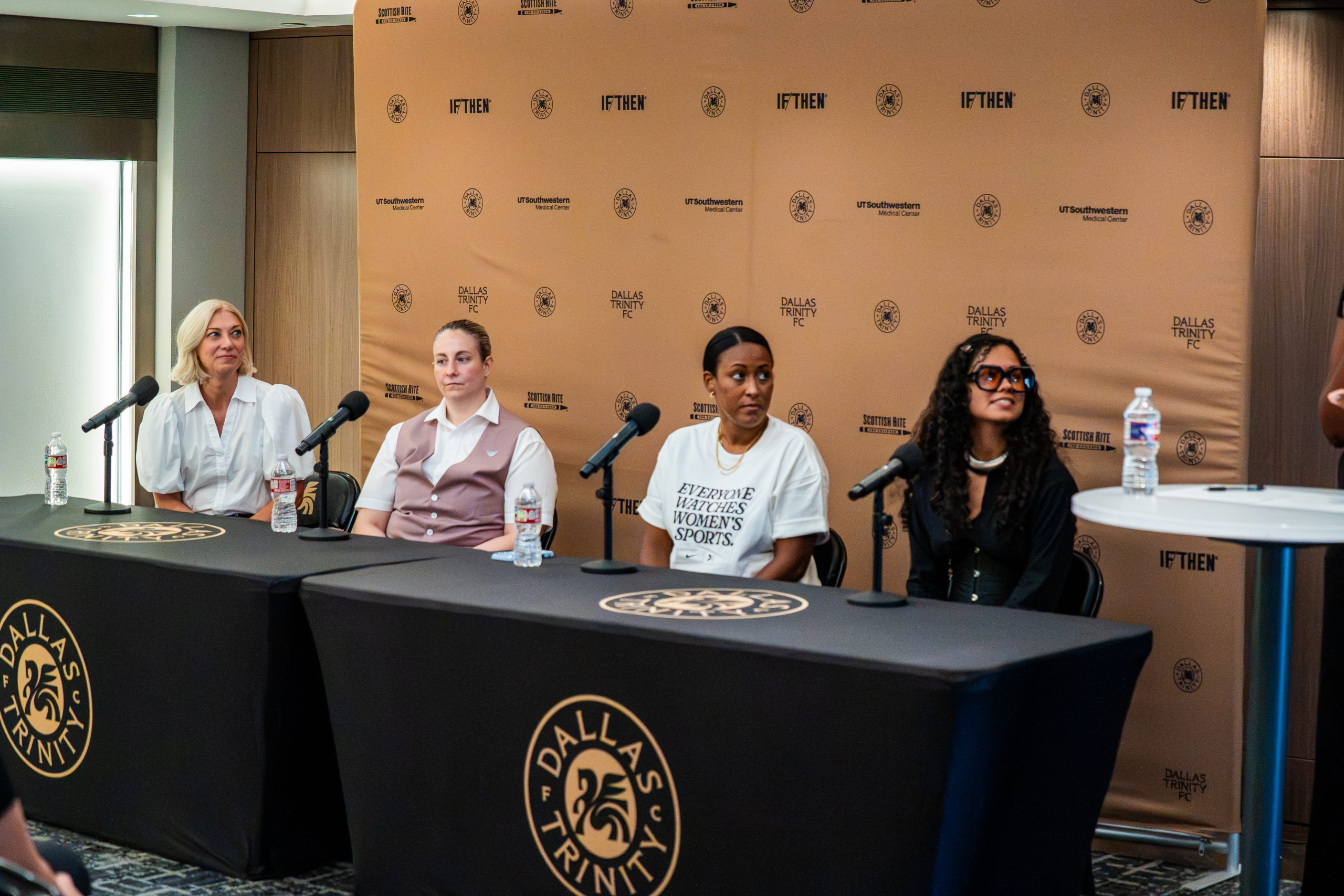
Dallas Trinity gathered five women who run the business and community side of Dallas sports for a WISE panel at the Cotton Bowl, ahead of Saturday’s match with Carolina Ascent.
The first question came before any panelist had spoken. Angela Lewis, president of the DFW chapter of WISE (Women In Sports & Events), asked the room to raise a hand if a mother had worked in sports, then a grandmother, then an aunt. Nobody did.
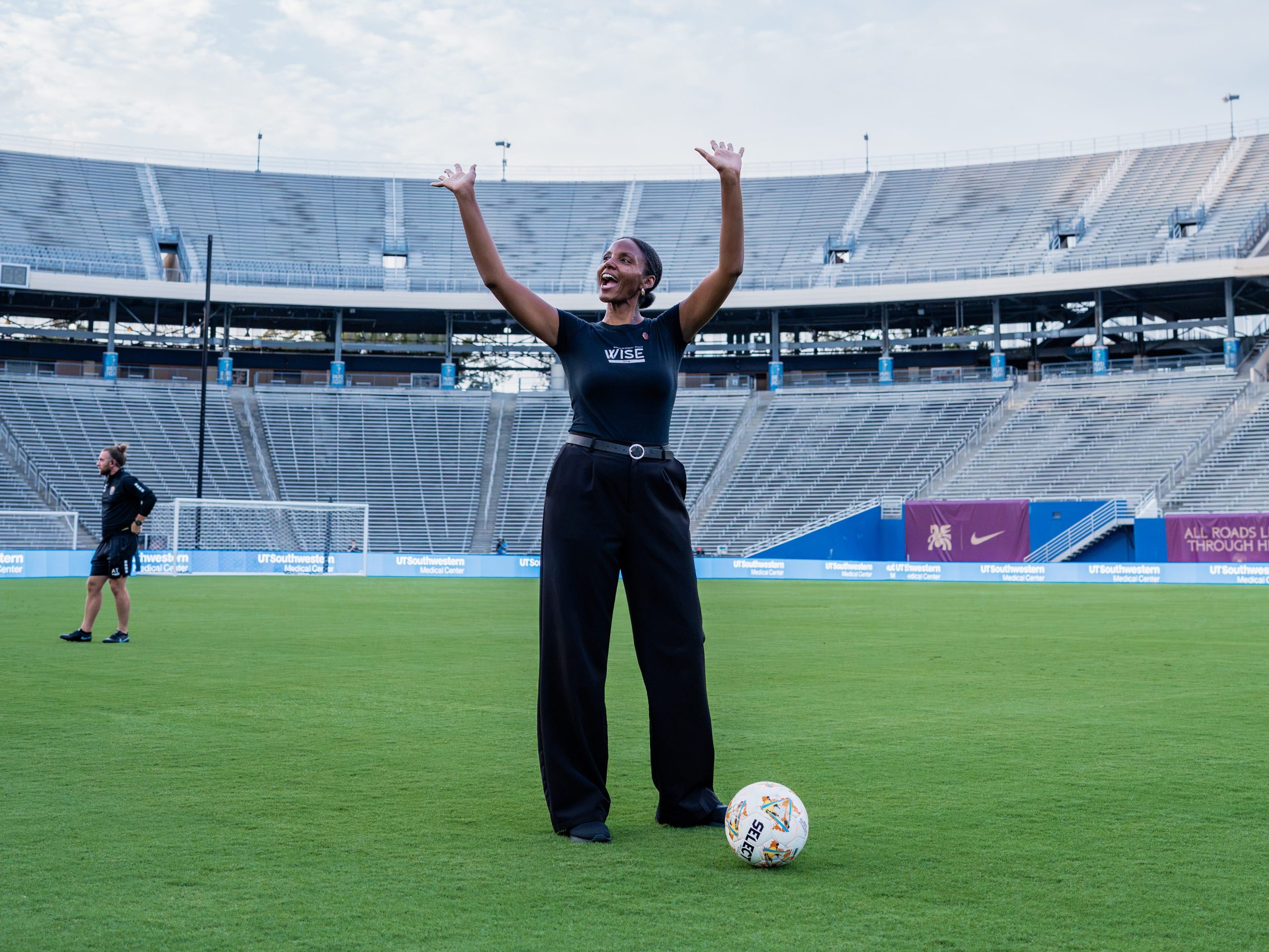
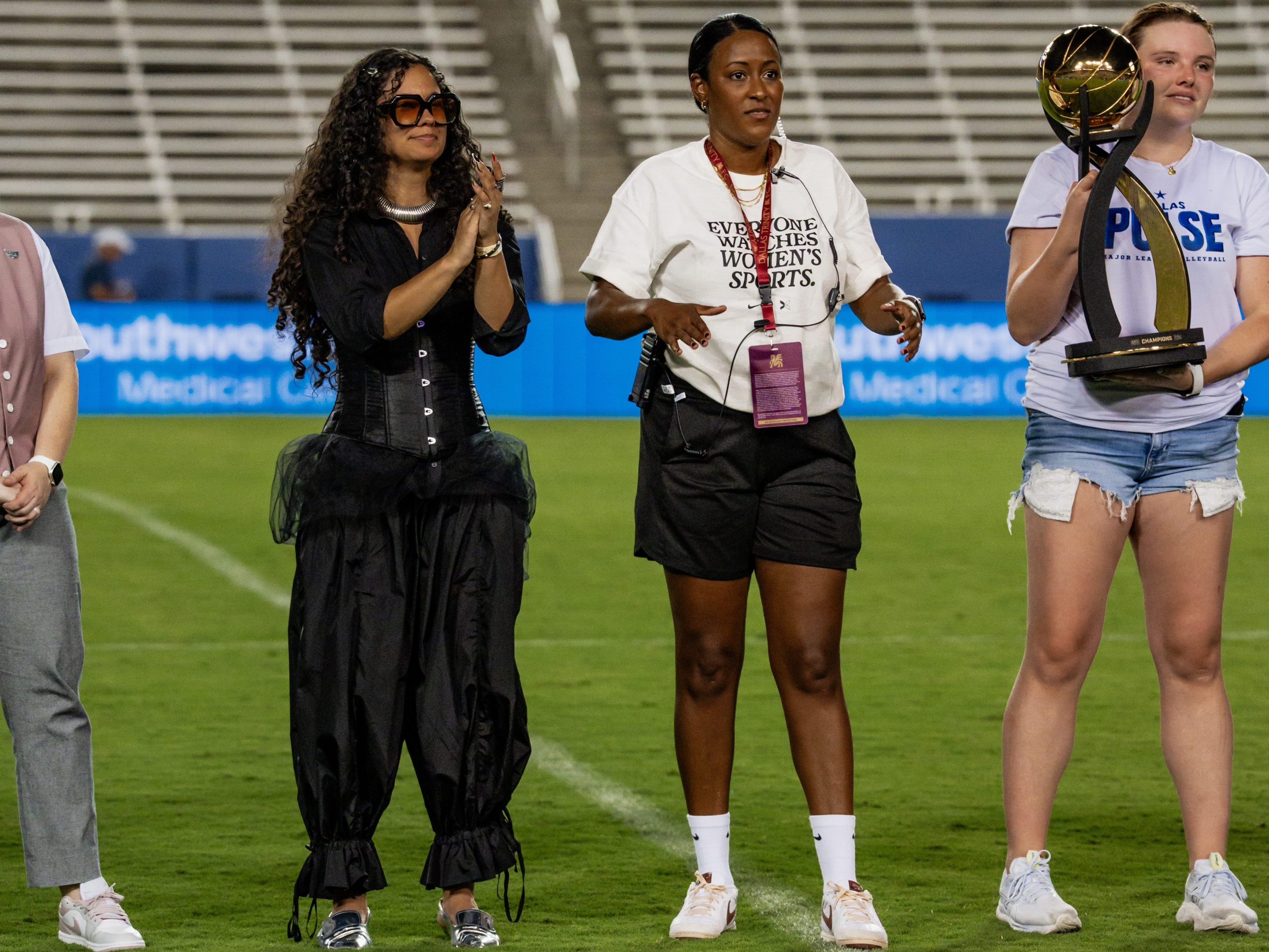
The women on the stage that Saturday, August 22, before Dallas Trinity FC hosted Carolina Ascent FC, were among the first in their families to build careers in the business of the game. Lewis’s point was that the students in the audience would be the first generation to grow up able to say they knew someone who had. The panel, billed as “Women Who Lead” and presented by WISE, ran before a 7:30 kickoff the club would lose 1-3.
Just Another Sport
Jocelyn Prieto runs ticketing for Dallas Trinity and for Atlético Dallas, the USL Championship men’s club set to begin play at the Cotton Bowl in 2027. She got into the work as a translator. Her uncle, a Dominican baseball player chasing a spot in the majors, spoke no English, and his agent spoke no Spanish, so Prieto sat in on the meetings and translated.
She went to college planning to become an agent, then a lawyer. An internship with the Miami Heat in corporate sponsorship, the year before LeBron James arrived, pushed her toward the revenue side. Then she graduated into the NBA lockout, with the job she had lined up no longer there. She left Miami for inside sales at Arizona State, and later ran sales and service across seven sports in one department at the University of Florida.
When USL Dallas bought Trinity, she said, she thought of it as one more team to sell. “We just got another sport,” she said. “Let’s get it going.”
Prieto still calls herself a Miami girl. Asked about handling pressure, she pointed back to Gainesville, where she had once carried seven programs at the same time. Two clubs sharing one stadium did not compare.
From the World Cup to the Cotton Bowl
Jaime Cabrera came to sports from healthcare and philanthropy. Someone in her network needed help building a donor program tied to the World Cup, which put her in a meeting with Monica Paul, executive director of the Dallas Sports Commission. She took the work and helped stand up a North Texas soccer foundation, carrying the fundraising and program-building she already knew into a sport she was new to.
Her turning point was a give-back effort that sent 350 tickets to people from underserved communities for World Cup matches in the region. Making the calls to the community organizations, she said, was the part that stayed with her. One recipient, a teenager in foster care, wrote back that he had felt like he belonged.
Cabrera also talked about doubt. She had not met every qualification for the World Cup job and had to convince herself to apply, pointing to research that men go for roles they are underqualified for while women hold back until they check every box. What she brought was fundraising and a record of building programs, and she decided that was enough.
The Cold Call and the Soccer Field
Jen Fusci, vice president of ticket sales and service for the Dallas Wings, grew up in Connecticut around women’s basketball and assumed she would work in analytics. She reckoned she had missed that boom by a few years, and an internship with the Connecticut Sun turned her toward sales instead. She hung up on the first person who answered one of her cold calls, out of nerves. The advice that stuck came from a manager on day one: get comfortable being uncomfortable, and act as if.
She hires now, and said what she looks for is whether a candidate will pull for a teammate’s success instead of undercutting it. She also noted how few women apply for the manager jobs she is filling as the Wings prepare to move downtown to the Dallas Memorial Auditorium.
Kamari Brown, who has spent about seven years in social responsibility, kept coming back to soccer. She played growing up, and said a field in Puerto Rico, where her teammates spoke languages she did not, taught her the game and connected them anyway. Her job now is community work, which she called the side of the industry that reaches people who never work in it.
The View From the Supporters
The panel was one part of a night the club built around its women, and the supporters took note. Andrea Gordon, a leader of the Dallas Trinity supporters group The Unstabled, said representation on both sides of the club matters.
“It’s pivotal to have women at the table for everyone’s success, both on the business and football sides of the club,” Gordon said. “The club was built for the players to have the opportunity to play professionally and for the citizens of Dallas to support them. This club and league wouldn’t exist if they didn’t see the importance of that representation in the professional sports world.”
She said the club had done well so far and listed the ways it has recognized its women: “whether that’s representing the club on the field, on a panel… or featured in a museum exhibit or having a statue created in honor of them that was on display at the FIFA Fan Fest in Dallas.”
The Result
The match that followed did not go Trinity’s way. Carolina won 3-1, and the loss left Trinity below the playoff line two games into the fall season. Before any of it, the panel had put the people who run Dallas Trinity in front of a room of students and young professionals, many of them looking for a way into the same industry the five on stage had entered as firsts in their families.