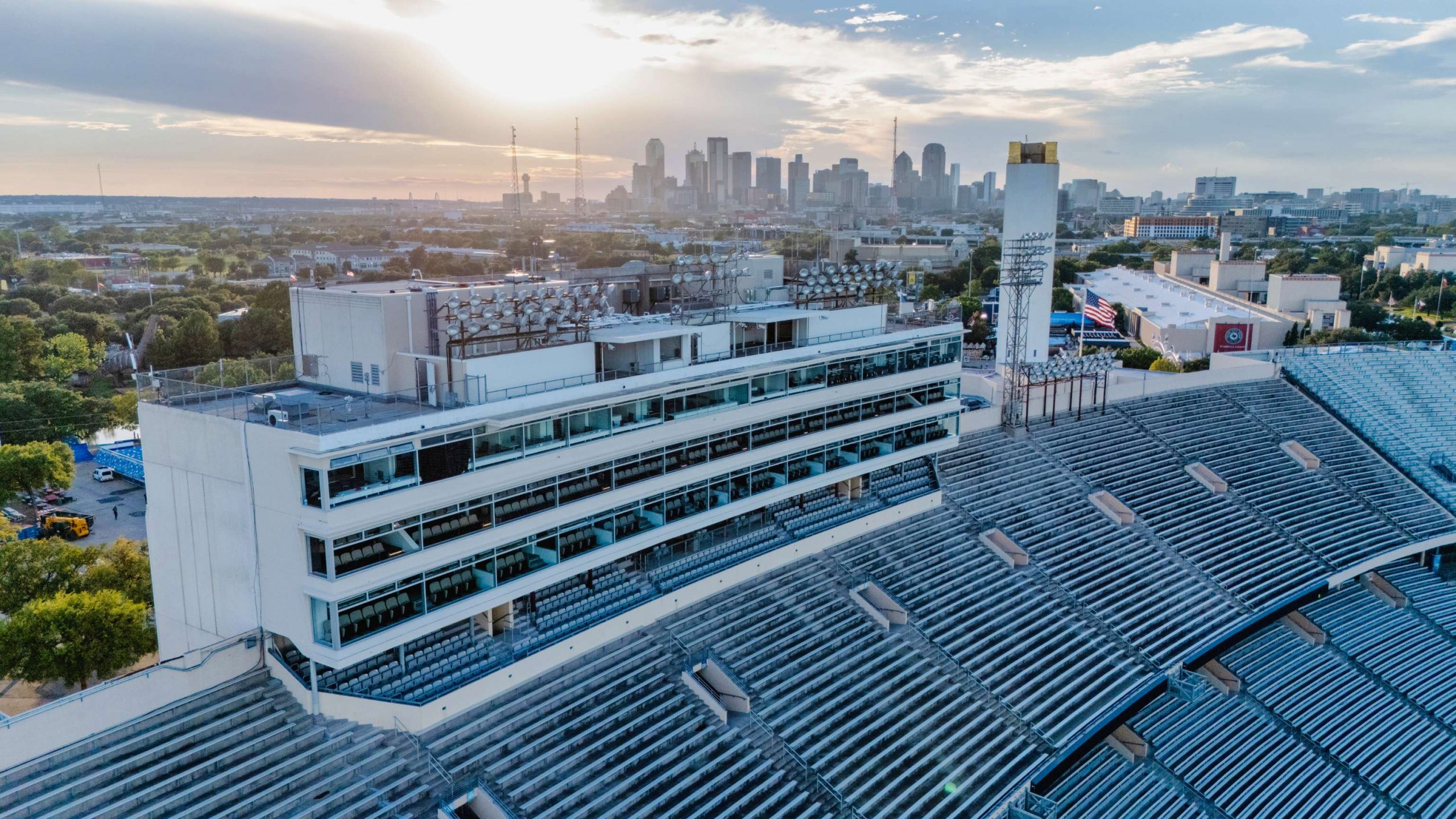
Season-ticket reductions, dropped checkout fees and a lower-priced home kit aim to grow a crowd that numbered 2,041 at the opener, inside a stadium the city spent $140 million to renovate.
Dallas Trinity FC enters its Fall 2026 season having cut season-ticket prices across every seating category and removed the fees that used to stack onto checkout. The club is trying to bring more of North Texas into Cotton Bowl Stadium, a building it does not own, that drew 2,041 for the August 15 opener against Tampa Bay Sun FC.
Cheaper Across the Board
The reductions run down the full price sheet, per the club.
General admission fell 25% to $19.49 per match, premium sideline came down to $32.50, and the VIP category dropped 47% to $86.63. Season-ticket packages now begin at $144 for eight home matches, including the State Fair Clásico, with a three-month payment plan available.
The fees went too. After its acquisition by USL Dallas, Trinity moved onto Jump, the same ticketing platform Atlético Dallas uses, and supporters buying tickets to either club now pay the listed price with no add-on at checkout.

Chief commercial officer Sam Morton put it plainly in the release, saying a ticket’s advertised price should be what a supporter actually pays and that dropping the fees “gives our supporters greater transparency.”
The savings reach the merchandise table as well. The home replica kit, which sold for $115 last season and stood as the most expensive shirt in the Super League, now goes for $89, below the $99 that ranked next-highest a year ago.
A Crowd to Build On
The opener gives the club its baseline, and it came in low. Trinity and Tampa Bay drew 2,041 to the Cotton Bowl in 99-degree heat at kickoff, below the club’s home average in each of its first two seasons, 3,546 in the 2024-25 debut year and 3,048 across 2025-26.

Both figures ran ahead of the league-wide average of 2,634 a match last season, so Trinity has drawn above the league average even as its own number has slipped. The owners’ own target sits far above all of that.
Co-owner and chairman Matt Valentine told 3rd Degree in a July sit-down with the new owners that Trinity sits in an MLS-sized market and should be measured against the NWSL and its roughly 11,000-a-match average. He put his own goal at 8,000 and up.
That target is more than double the club’s best season average and nearly four times the opener. Lower prices are one lever the club has on that number across the six home dates that follow.
Meeting Supporters Where They Are
The affordability push runs alongside efforts to make the matchday itself more of a draw. Before the home opener, the club invited season-ticket holders to a free draft beer on the concourse, poured by White Rock Brewing and billed as “a beer on Lee Nguyen,” after the club’s first-year manager. It is the kind of small gesture a young club leans on to grow the organized fan culture that fills a stadium week to week.
Stadium Funding
The premium experience USL Dallas is selling at a lower price was largely paid for by a tax on Dallas visitors, many of whom came to the Metroplex for the nine World Cup matches hosted here this summer.
The Cotton Bowl reopened last fall after a $140 million renovation, the largest investment in Fair Park’s history and the first phase of a broader city overhaul of the fairgrounds. The money came from Proposition A, the 2% hotel occupancy tax increase Dallas voters approved in 2022, which earmarked $300 million for the Cotton Bowl and five other Fair Park venues.
The city has tied that spending to access. Fair Park general manager Brett Wulke said in the release that the renovation reshaped the fan experience, and that working with USL Dallas to keep it accessible would “help ensure families from across our community can enjoy professional soccer at Fair Park.”
The renovation added suites, club-level seating, wider concourses and 14 escalators to a stadium that opened in 1930.

The public support reaches the club itself, beyond the building it plays in. Morton told 3rd Degree in July that the new group reversed the old terms. “The city pays us to play,” he said. Trinity had paid to be there under the old deal.
The Parts Still to Come
Other promised savings remain unsettled. The club has said it is working with the city and Fair Park on lower-cost parking, cheaper concessions and family packages, with rates to be announced as plans are finalized, per the release, likely to be realized in the 2027 full season.
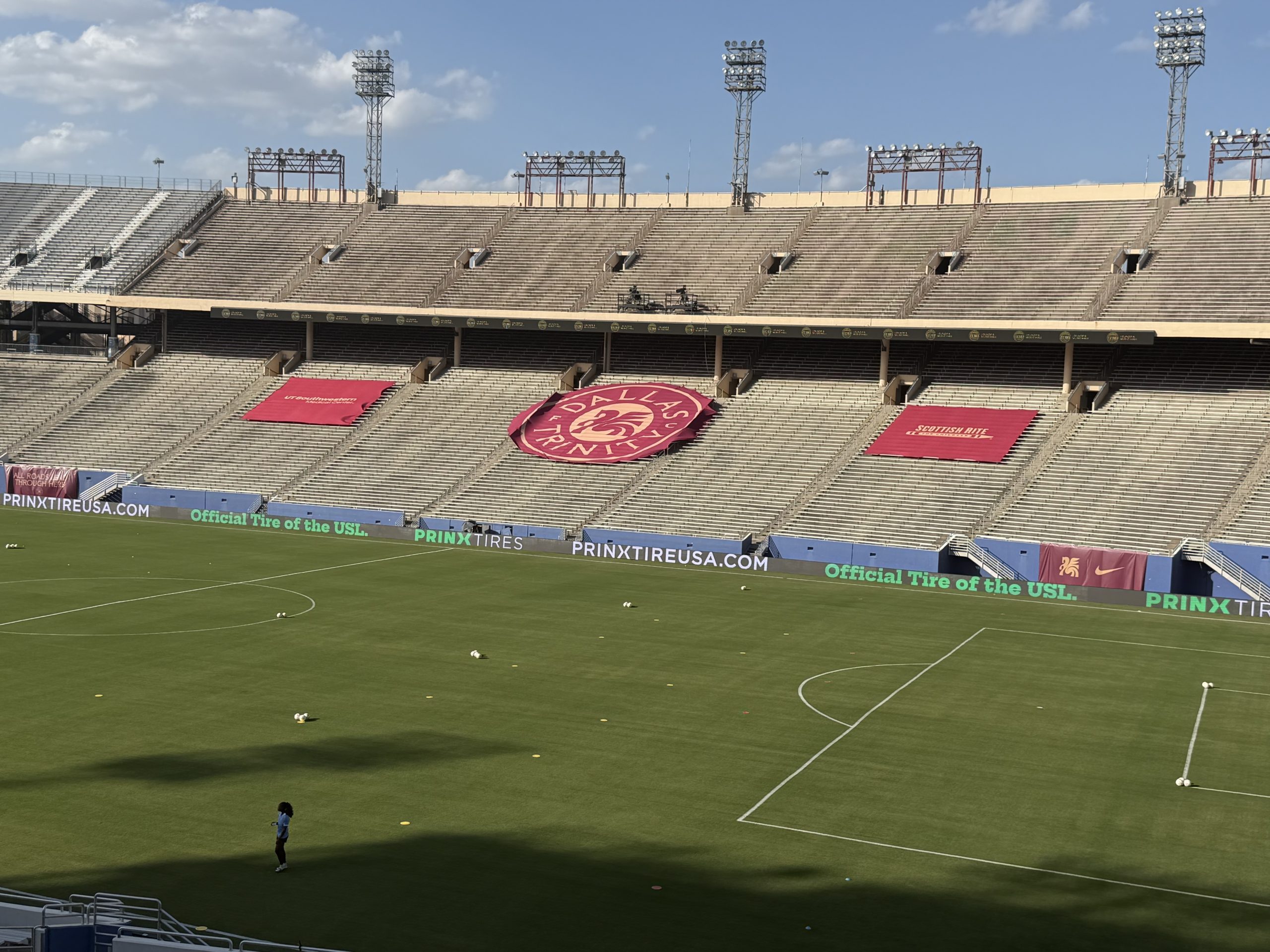
Phase two of the renovation, covering the stadium’s east side, is not yet funded, and under the deal that keeps the Texas-OU game at the Cotton Bowl through 2036, the city must present a funding plan for it by 2030.
Two Tenants, One Building
The stakes reach past this season. Atlético Dallas begins play in the USL Championship at the same Cotton Bowl in 2027, which gives USL Dallas a second tenant to fill the stadium and more reason to lift attendance now.
The next read on whether lower prices move the gate comes soon. Trinity hosts Carolina Ascent FC, last season’s beaten finalists, at the Cotton Bowl on Saturday, August 22, at 7:30 p.m. CT.